
What the LFP Battery Means for the 2027 Chevrolet Bolt’s Range
October 09 2026,
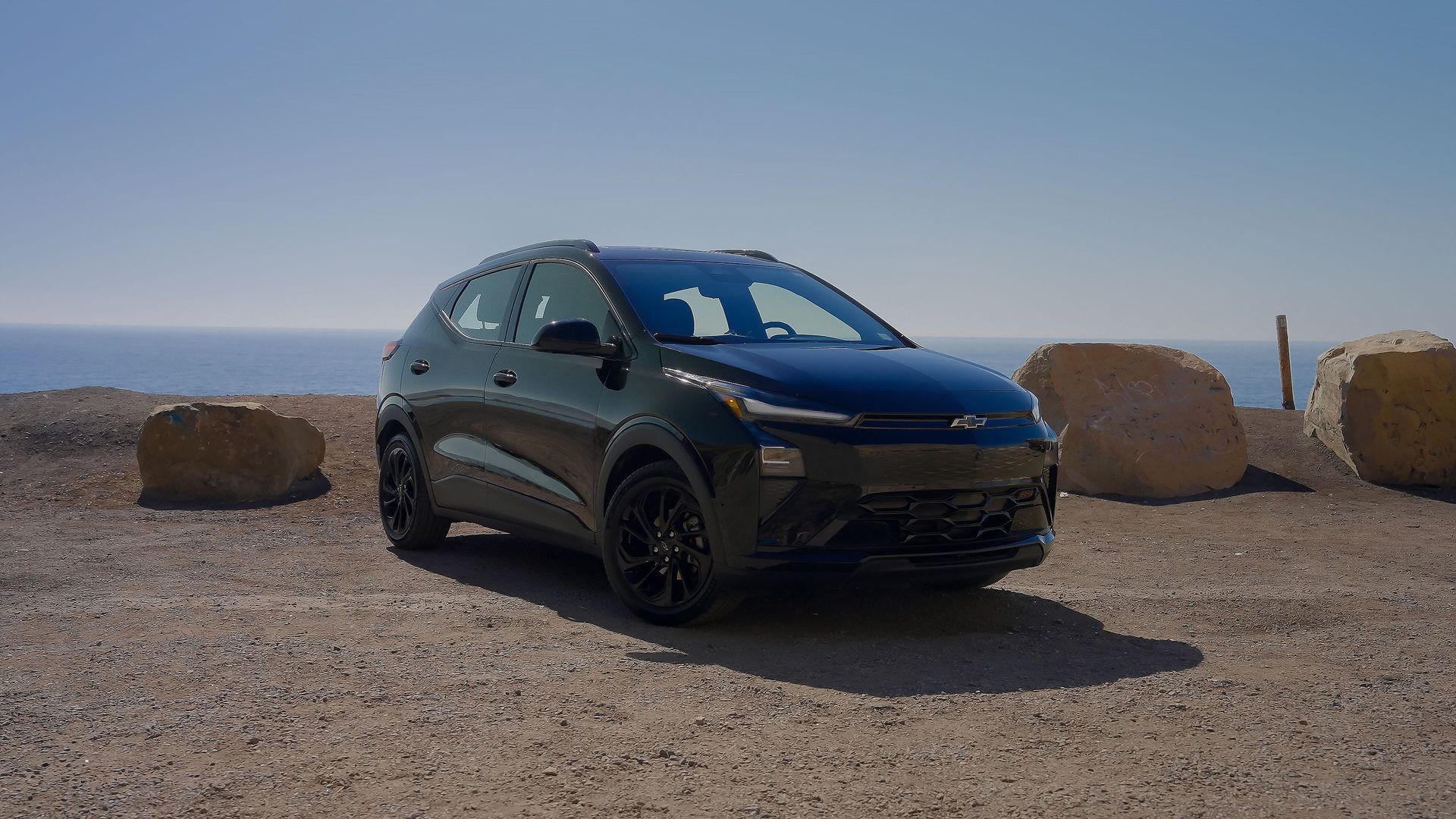
Shopping for a compact EV in Quebec means asking two questions before anything else: how far will it go, and how easily will it charge. The 2027 Chevrolet Bolt answers both with a battery pack that trades outright size for durability and a straightforward charging setup.
This piece breaks down what that battery actually does for daily driving, not just what the spec sheet says.
What’s Inside the 2027 Bolt’s Battery Pack
The 2027 Bolt uses a 65 kWh battery built on Lithium Iron Phosphate (LFP) chemistry. That’s a different recipe than the nickel-based cells found in many EVs, and it changes how the car behaves day to day rather than just how it performs on paper.
LFP cells are known for holding up well through repeated charge cycles and tolerating a full charge without the same long-term stress older lithium-ion chemistries can show. Chevrolet’s own guidance for the Bolt reflects this: charging to 100% regularly is recommended, since it helps the vehicle display range and battery level accurately.
The battery feeds a single front electric motor rated at 210 hp and 169 lb-ft of torque, driving the front wheels. GM rates the Bolt’s electric range at up to 421.6 km on a full charge.
How the Battery and Charger Work Together

Range is only half the story. The 2027 Bolt pairs its battery with an 11.5 kW onboard charging module and a NACS charge port, so home and public charging both run through the same connector.
At home, a 240-volt Level 2 setup or the optional GM PowerUp 2: NACS charger can replenish the battery overnight. On the road, the Bolt’s DC fast-charging capability tops out at 150 kW, taking the battery from 10% to 80% in about 25 minutes at a compatible station.
For charging away from NACS-native stations, GM offers a CCS1 DC adapter and a J1772 AC adapter as options, both bundled in the Level 2 and Fast Charging Adapter Package. That widens where the Bolt can plug in without changing how the car charges at home.
|
Charging Touchpoint |
Detail |
|
Home / Level 2 |
11.5 kW onboard charger, NACS port |
|
Public DC fast charging |
Up to 150 kW, 10-80% in 25 min |
|
Non-NACS access |
CCS1 and J1772 adapters (optional) |
What the Range Number Actually Means Day to Day
A rated range of 421.6 km covers a lot of ground for city errands, suburban commutes, and mixed driving without a mid-day plug-in. Most Quebec commutes fall well inside that number, which means Level 2 charging at home can handle routine top-ups on its own.
But a rated figure is a starting point, not a promise. Cold temperatures, sustained highway speeds, hilly terrain, aggressive acceleration, and a fully loaded cabin all pull on usable range. Quebec winters bring exactly those conditions together at once.
The practical habit is to plan around a buffer rather than the full rated number, especially for longer trips between charging stops. For most in-town and suburban driving, that buffer rarely matters. For a longer road trip in winter, it’s worth factoring in.
A Hatchback Built Around Its Battery
The battery pack sits low in the floor, which keeps the Bolt’s hatchback shape intact rather than raising the load floor or shrinking the cabin. That layout leaves 458 L of cargo space behind the rear seats and 1,594 L with the 60/40 split-folding rear seat folded down.
Inside, front-seat passengers get 1,016 mm of headroom and 1,124 mm of legroom, numbers that keep the cabin feeling open despite the Bolt’s compact footprint. The result is a small EV that still handles grocery runs, luggage, and the occasional bulky cargo load without feeling cramped.
Battery Warranty and Long-Term Confidence
The battery carries an 8-year/160,000 km warranty, well beyond the Bolt’s 3-year/60,000 km basic coverage. That gap matters for anyone weighing EV ownership risk against a gas vehicle: the part of the car most shoppers worry about is covered the longest.
Corrosion protection runs 6 years/160,000 km, and roadside assistance matches the battery’s 8-year/160,000 km term. Together, these coverages are built to outlast the years when most owners are actively driving and charging the vehicle daily.
Who Gets the Most Out of This Setup

The 2027 Bolt’s battery and charging combination suits a specific kind of driver best: someone doing daily city or suburban commuting, running errands, and charging mostly at home. First-time EV shoppers benefit from the simplicity of a single NACS port that works for both home and most public charging.
Drivers who regularly take long highway trips with heavy loads or frequent DC fast-charging stops will feel the effects of temperature and load on range more often. For that use case, planning charging stops in advance matters more than it would for a mostly local driver.
Talk Through Your Charging Needs at Vision Chevrolet Buick GMC
The 2027 Chevrolet Bolt’s 65 kWh LFP battery, NACS charging port, and 421.6 km rated range give Quebec shoppers a compact EV built around everyday driving rather than maximum range chasing.
Visit Vision Chevrolet Buick GMC in Delson to check current Bolt trim availability, review charging accessories, and talk through a home-charging setup that fits your daily range needs.