
Is the 2026 Chevrolet Traverse Z71’s Off-Road Hardware Worth It for Québec Backroads?
September 14 2026,
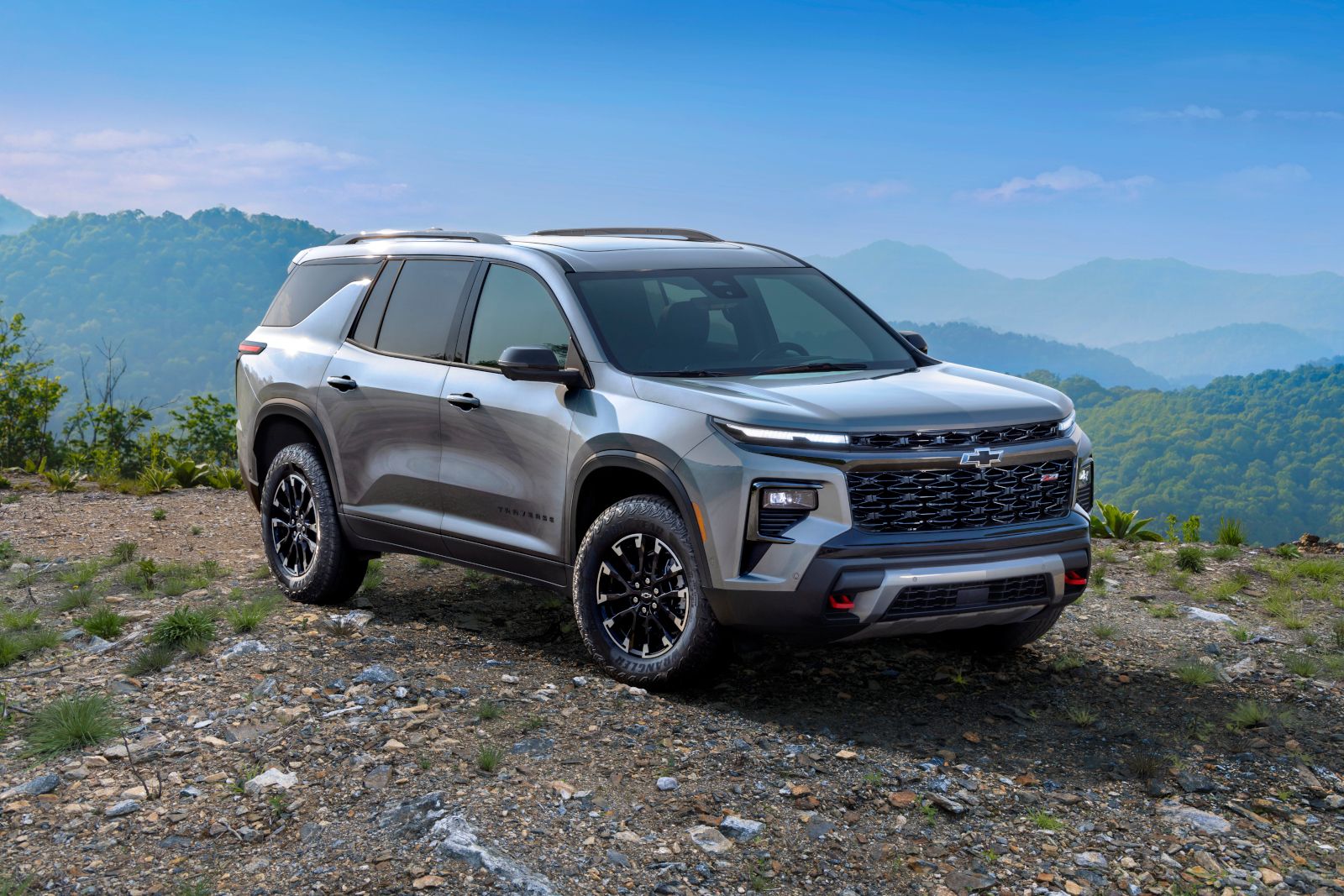
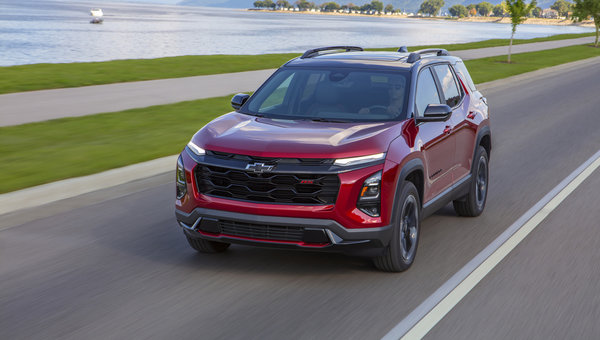
Gravel driveways, cottage-road ruts, and a rough shoulder on the way to the chalet are part of daily life for a lot of Quebec families. The Traverse Z71 adds hardware aimed at exactly that kind of driving. The question is whether it earns its place over a regular Traverse for how you actually use a three-row SUV.
Why The Z71 Trim Deserves A Look
The Z71 starts from the same 2.5L turbocharged four-cylinder as the rest of the Traverse lineup, producing 328 hp and 326 lb-ft of torque through an 8-speed automatic. What changes is everything underneath it.
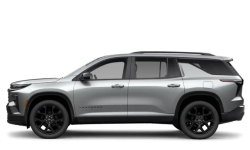
The Z71 is the only Traverse trim with the Advanced Twin Clutch all-wheel drive system standard, along with Hill Descent Control and the Ride and Handling suspension. LT and RS trims don’t get this combination. Ground clearance rises to 197 mm on the Z71, compared with 172 mm on LT and RS, and overall height grows to 1,830 mm from 1,801 mm.
The Z71 also rides on 265/65R18 all-terrain tires instead of the all-season rubber on other trims, paired with 18-inch wheels rather than the 20-inch or 22-inch wheels available elsewhere in the lineup.
What Actually Changes On Backroads
The twin-clutch AWD system is the piece that matters most in low-grip conditions. It actively manages torque between the front and rear axles, which helps on wet gravel, loose dirt, or a rutted access road where a single wheel can lose bite.
Hill Descent Control adds a layer of confidence on steeper, uneven rural grades by managing brake pressure automatically, so the driver isn’t riding the brakes on the way down a rough incline.
The all-terrain tire setup and taller stance work together rather than as separate upgrades. Higher ground clearance means fewer scrapes on washed-out gravel, while the tires provide grip the standard all-season tires aren’t built for on unpaved surfaces.
|
Traverse Feature |
LT / RS |
Z71 |
|
Ground clearance |
172 mm |
197 mm |
|
Twin-clutch AWD |
Not available |
Standard |
|
Hill Descent Control |
Not available |
Standard |
|
Tire setup |
All-season |
265/65R18 all-terrain |
|
Ride and Handling suspension |
Available (LT) / Standard (RS) |
Standard |
Some of the Z71 package is styling rather than function. Red tow hooks and the Z71 badging don’t change how the SUV drives. The mechanical pieces, twin-clutch AWD, Hill Descent Control, and the all-terrain tires, are the parts that actually change the experience on a rough road.
Who The Traverse Z71 Fits Best
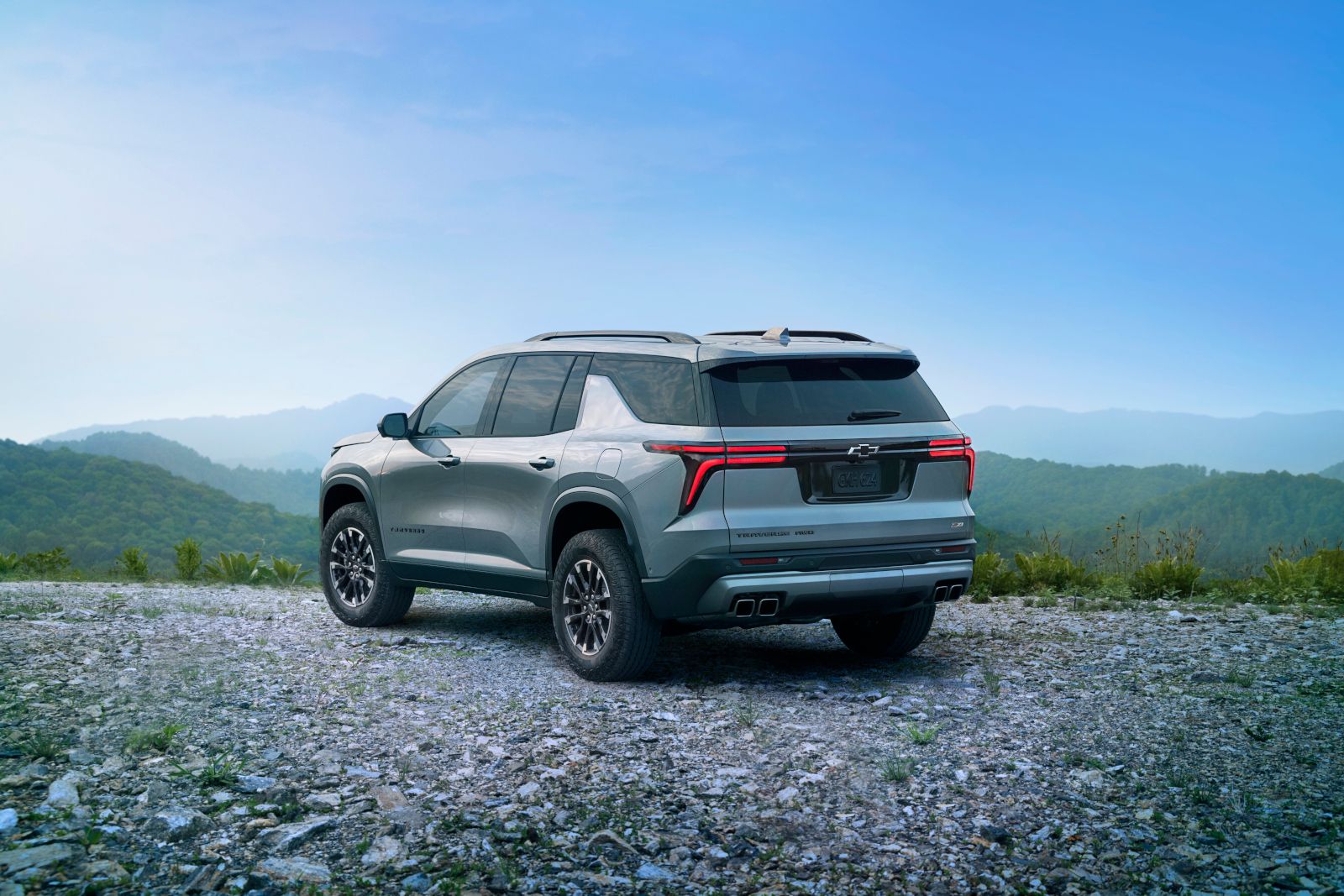
The Z71 fits drivers who regularly leave paved roads behind: rural commuters, cottage-road regulars, and families who tow a small trailer or utility load through the off-season. Quebec winters are part of that equation too, where the extra grip and clearance help on unmaintained side roads before the plow comes through.
City and suburban drivers who mostly deal with commuting and parking lots may not get much daily use out of the off-road-specific hardware. For them, the LT’s Ride and Handling suspension (available, not standard) and all-season tires may suit daily pavement better without the firmer tuning that comes with the Z71’s setup.
The Traverse’s size is a factor either way. At 5,200 mm long and 2,232 mm wide with mirrors extended, manoeuvring through older-town streets or a tight driveway takes some awareness regardless of trim. The turning circle sits at 11.9 m on the Z71’s 18-inch wheels, which helps a little in parking lots compared with the 22-inch wheel setup on RS.
Weighing Capability Against Comfort
The trade-off is real: the Ride and Handling suspension and all-terrain tires that make the Z71 confident on rough gravel also mean a firmer ride and more road noise on smooth pavement than the standard suspension delivers. Families who spend most of their time on paved commutes will feel that difference daily.
On towing, the Z71 matches the rest of the AWD Traverse lineup at 5,000 lbs (2,268 kg) maximum, with a gross combined weight rating of 10,250 lbs (4,649 kg) and a maximum tongue weight of 500 lbs (227 kg) when properly equipped. Standard trailering gear includes a 7-pin wiring harness, Trailer Sway Control, Automatic Engine Grade Braking, and Hitch View and Hitch Guidance with camera-based tow aids.
None of that changes with the Z71 package specifically, so the off-road hardware doesn’t add towing capability on its own; it adds confidence getting to and from the launch ramp or trailhead over rough ground.
For occasional towing families hauling a small trailer, a boat, or utility gear a few times a season, the standard trailering equipment does the heavy lifting. The Z71’s added value shows up more in the drive to the access road than in the tow rating itself.
Inside, the Traverse offers 2,775.1 L of cargo volume with the second and third rows folded, plenty for camping gear, hockey bags, or a cottage run. Three-row seating carries seven passengers across all trims, with 44.3 in of front legroom and 42.6 in of front headroom, so carpool duty and long highway stretches stay comfortable regardless of which trim sits in the driveway.
The decision comes down to use case, not badge. If backroads, gravel driveways, or winter side streets are part of your regular routine, the Z71’s hardware works together as intended. If your driving stays mostly on pavement, that hardware is capability you’re carrying around without using it daily.
Choosing The Right Traverse For Your Roads
The 2026 Traverse Z71 layers genuine off-road hardware, twin-clutch AWD, Hill Descent Control, all-terrain tires, and extra ground clearance, onto a three-row family SUV that still seats seven and hauls up to 2,775.1 L of gear behind the front row.
Compare the Z71 against another Traverse trim on a route that mixes highway driving, rough pavement, and a tight parking manoeuvre before deciding. Visit Vision Chevrolet Buick GMC in Delson to see the Z71 and LT side by side and talk through which setup matches your everyday roads.