
Will the 2026 Silverado 1500 Actually Pull Your Boat to the Launch Without Strain?
July 14 2026,
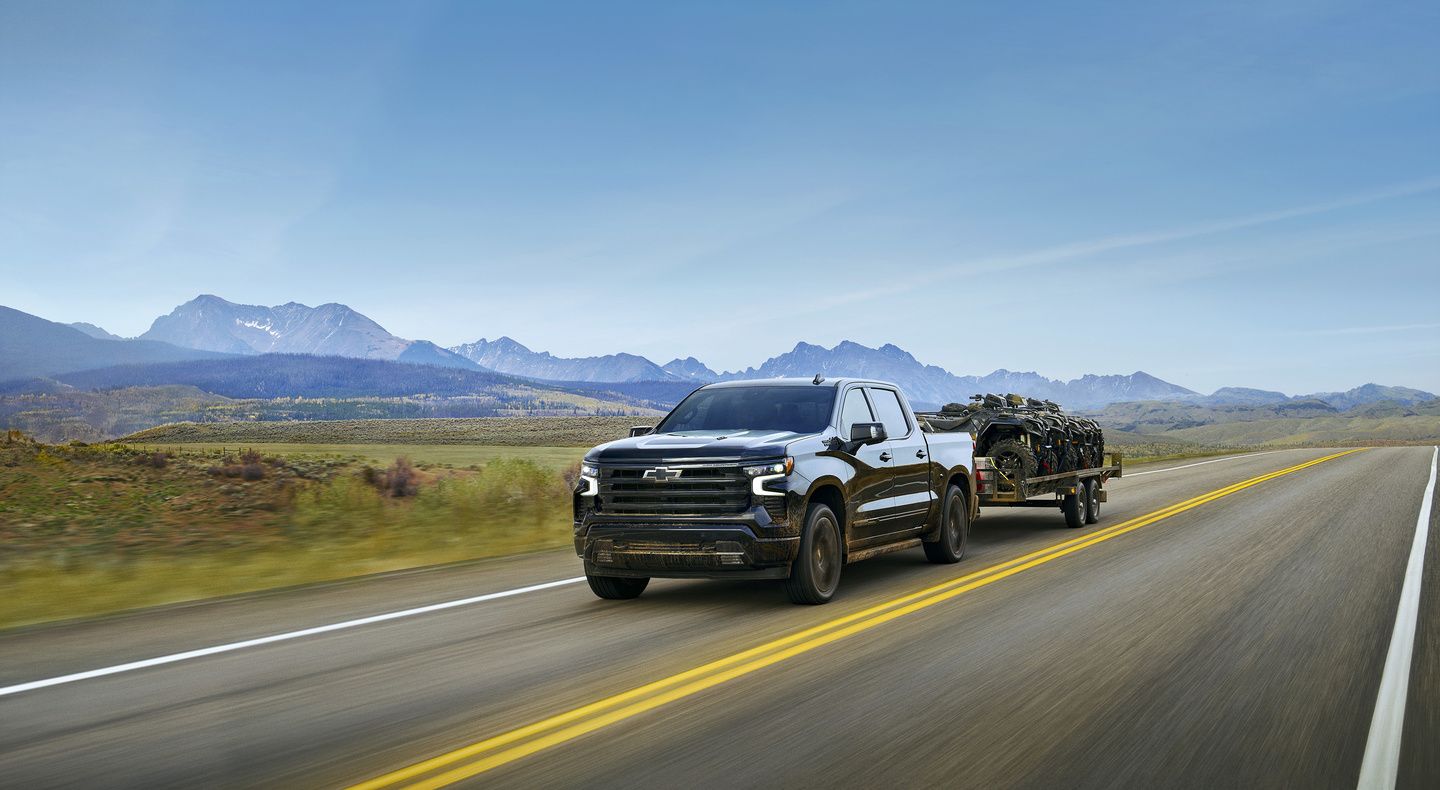
Loading the boat and heading to the water is supposed to be the easy part of a summer weekend. If the truck struggles pulling away from the ramp or feels nervous on the drive home, that tension follows you the rest of the day.
For Quebec buyers looking at the 2026 Chevrolet Silverado 1500, the real question isn’t a number on a spec sheet. It’s whether the right combination of engine, package, and configuration keeps the truck calm on the exact launch you’re doing this summer.
Why Boat Towing Puts a Half-Ton Truck to the Test
A truck towing without strain looks a specific way: steady acceleration off the ramp, a stable cruising speed on the highway, brakes that stay confident on a downhill grade back to the launch, and no overheating while idling in a line of trailers on a hot afternoon.
July is when Quebec lake traffic peaks and ramps get busy, so a truck that hesitates becomes obvious fast. The 2026 Silverado 1500 can handle most common boats without strain, but which engine, package, and configuration you choose changes how much margin you actually have.
Engine, Package, and Configuration: The Three Things That Set Your Tow Rating
Three factors decide how a given Silverado 1500 handles a boat: the engine under the hood, whether the Max Trailering Package is on the build, and the cab, bed, and drivetrain configuration. Skip any one of them and the truck can fall well short of its advertised towing ceiling.
The lineup offers four engines, each aimed at a different kind of towing.
|
Engine |
Horsepower |
Torque |
Max Towing (Properly Equipped) |
|
2.7L TurboMax Turbo I4 |
310 hp |
430 lb-ft |
9,200 lbs (4,173 kg) |
|
5.3L EcoTec3 V8 |
355 hp |
383 lb-ft |
10,800 lbs (4,899 kg) |
|
6.2L EcoTec3 V8 |
420 hp |
460 lb-ft |
8,100 lbs (3,674 kg) |
|
3.0L Duramax Turbo Diesel I6 |
305 hp |
495 lb-ft |
8,700 lbs (3,946 kg) |
Torque, and where it peaks, matters more than horsepower for how strained a launch feels. The Duramax hits its 495 lb-ft at just 2,750 rpm, so it pulls a boat off the ramp without needing to rev. The TurboMax’s 430 lb-ft at 3,000 rpm punches above its size for an entry-level four-cylinder.
The 5.3L and 6.2L V8s need more revs to reach peak torque, both around 4,100 rpm, so they lean more on the transmission to stay in the right gear climbing away from the water. The TurboMax pairs with an 8-speed automatic, while the 5.3L, 6.2L, and Duramax move through a 10-speed automatic, giving more gear choices to hold the engine in its towing range on grades.
The Max Trailering Package is the second piece. Where equipped, it adds a hitch, an integrated trailer brake controller, transmission cooling, and available axle upgrades, hardware most base trucks skip. A base Silverado without it may not reach the numbers in the table above and can feel strained under a heavier load.
- Trailer Sway Control via StabiliTrak: standard
- Tow/Haul Mode with grade braking: standard
- Hill Start Assist: standard
- Integrated Trailer Brake Controller and up to 8 cameras, including Hitch View, Hitch Guidance, and Transparent Trailer View: available
Configuration is the third variable. Crew Cab Short Bed versus Standard Bed, 2WD versus 4WD, and rear axle ratio (3.42 standard, with 3.23 and 3.73 available on certain trims) all shift the effective number for a given engine. The 4x4 version of the same engine typically posts a slightly lower tow rating than its 2WD counterpart, since the extra drivetrain hardware adds weight the truck has to carry.
The highest rating in the lineup, 13,300 lbs (6,033 kg), belongs to a Duramax-equipped build with the Max Trailering Package and 20-inch wheels, not something found on a base configuration.
Which Setup Fits Your Boat
A small aluminum fishing boat or light bass boat sits well under the TurboMax’s 9,200 lbs (4,173 kg) rating, so the entry engine covers a lot of everyday towing without needing a heavier package.
Mid-size runabouts, ski boats, and pontoon boats are where the 5.3L V8 earns its keep. Its 10,800 lbs (4,899 kg) ceiling, when properly equipped, leaves real room for the boat, trailer, and gear together.
The 6.2L V8 is about power delivery more than raw towing headroom. At 8,100 lbs (3,674 kg), it tows less than the 5.3L on paper, but its extra horsepower and torque suit drivers who want a quicker, more relaxed feel merging onto the highway with a loaded trailer.
For a cabin cruiser, a heavier pontoon boat, or repeated multi-day trips to the water, the Duramax’s low-rpm torque and 8,700 lbs (3,946 kg) rating make longer tows feel steadier. Trucks built with the 3.0L Duramax also carry a Powertrain Limited Warranty of 5 years or 160,000 km, longer coverage for buyers racking up extra kilometres behind a trailer.
When a Silverado Could Feel the Strain
A boat pushing close to a given engine’s max rating, a steep or narrow launch ramp, or a higher-elevation lake can all eat into the margin a truck has left. None of that means the Silverado can’t handle it, but it changes how much room for error is left.
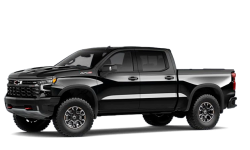
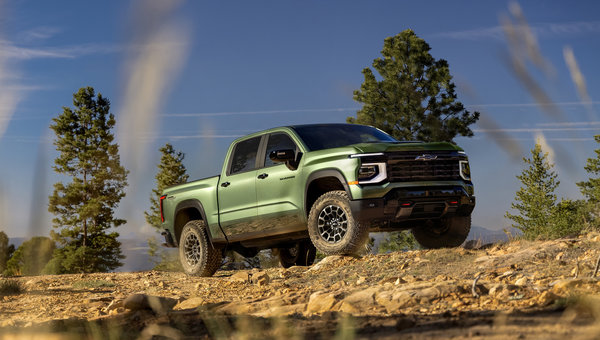
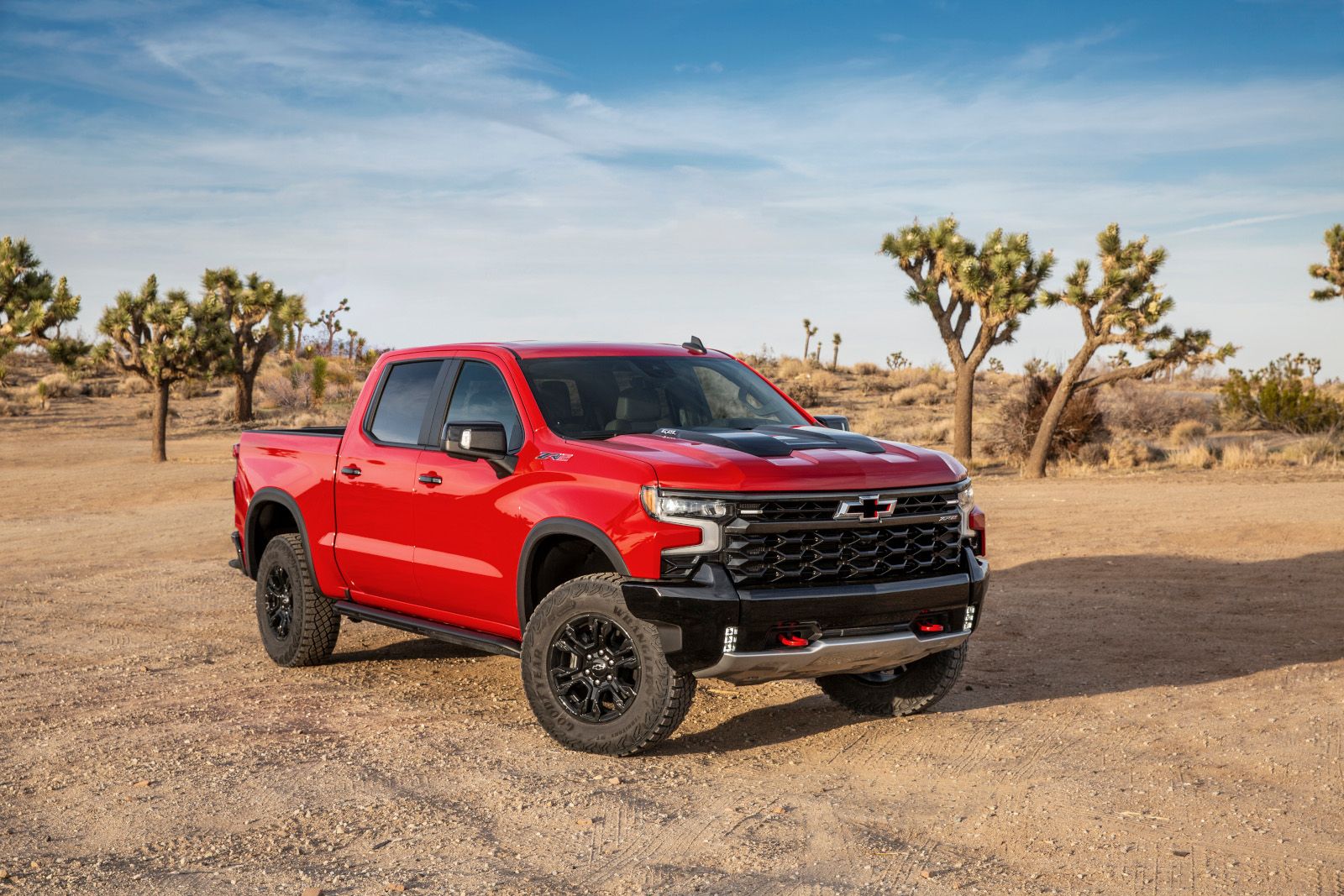
The ZR2 is the one trim where towing takes a back seat. Its off-road suspension and tires bring the 6.2L V8 down to 6,000 lbs (2,722 kg) and the Duramax down to the same 6,000 lbs (2,722 kg), well below what those same engines tow in other Silverado 1500 configurations.
If heavy, frequent boat towing is the priority, a 5.3L V8 or Duramax build with the Max Trailering Package fits that job better than an off-road-focused trim built for a different kind of weekend.
Getting Your Silverado 1500 Ready for Launch Day
Matched correctly, the 2026 Silverado 1500 pulls, stops, and cruises with most common Quebec boats without strain. Engine choice, the Max Trailering Package, and cab, bed, and drivetrain configuration determine how much margin a given truck actually has on launch day.
Work with the team at Vision Chevrolet Buick GMC in Delson, QC, to match the engine, Max Trailering Package, and configuration that fits your boat and your usual launch spot.