Understanding StabiliTrak and Traction Control for Canadian Winter Driving
January 26 2026,
Winter driving across Quebec demands experience behind the wheel and advanced safety technology. Modern vehicles come equipped with systems designed to help drivers maintain control when road conditions deteriorate. Two of the most important technologies working behind the scenes are StabiliTrak electronic stability control and traction control. While these systems often work together, they serve distinct purposes that become particularly valuable when navigating snow-covered roads and icy surfaces.
Understanding how these technologies function helps drivers develop realistic expectations about what these systems can and cannot do. Whether you're commuting through a snowstorm or towing a trailer in winter conditions, knowing the capabilities and limitations of StabiliTrak and traction control contributes to safer driving practices.
What Traction Control Does
Traction control focuses on preventing wheel spin during acceleration on slippery surfaces. When you press the accelerator on ice or snow, one or more wheels may lose grip and begin spinning faster than the others. Traction control detects this wheel speed difference and responds by reducing engine power or applying brakes to the spinning wheel.
The system helps maintain forward momentum without excessive wheel spin, particularly useful when:
- Starting from a complete stop on ice
- Accelerating through a snowy intersection
- Climbing a slippery hill
- Merging onto a highway during winter conditions
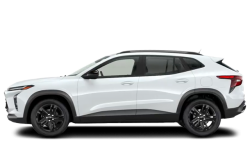
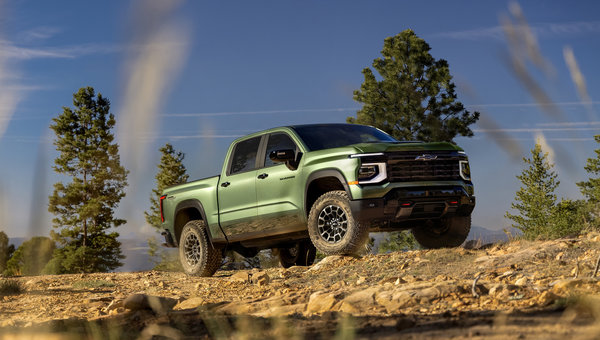
Traction control operates automatically and requires no driver input. The system activates within milliseconds of detecting wheel slip, helping to transfer power to wheels with better grip. This technology has become standard equipment across Chevrolet's lineup, from the Trailblazer to the Silverado 1500.
How StabiliTrak Electronic Stability Control Works

StabiliTrak offers a more comprehensive approach to vehicle stability. Rather than focusing solely on acceleration, this system monitors the vehicle's intended path versus its actual direction of travel. When sensors detect a difference between where the driver wants to go and where the vehicle is actually heading, StabiliTrak intervenes.
The system uses multiple inputs to assess vehicle behaviour:
- Steering wheel angle
- Individual wheel speeds
- Lateral acceleration
- Yaw rate (rotational movement)
When StabiliTrak detects potential loss of control, it selectively applies brakes to individual wheels and adjusts engine torque to help bring the vehicle back to the driver's intended path. This intervention happens automatically and can help prevent skids, spins, and loss of directional control.
The technology proves particularly valuable during emergency manoeuvres or when road conditions suddenly change. A patch of black ice, an unexpected obstacle, or an abrupt steering input can all trigger situations where StabiliTrak's intervention helps maintain vehicle stability.
StabiliTrak and Trailer Sway Control
Vehicles equipped for towing benefit from an additional application of StabiliTrak technology: Trailer Sway Control. This system uses the same electronic stability control hardware to detect and counteract side-to-side trailer motion.
When towing, several factors can cause a trailer to sway:
- Improper weight distribution
- Excessive speed for conditions
- Crosswinds or passing vehicles
- Incorrect tire pressure
- Poor hitch configuration
Trailer Sway Control monitors for this oscillating motion and responds by applying individual wheel brakes to help stabilize both the vehicle and trailer. The StabiliTrak warning light flashes on the instrument cluster when the system activates, alerting the driver to the intervention.
Important considerations:
- The system will not function if StabiliTrak is disabled or has failed
- On vehicles with Integrated Trailer Brake Control, the system may also apply the trailer's electric brakes
- The system may limit vehicle acceleration during active intervention
- Drivers should still reduce speed gradually if trailer sway is detected
Chevrolet Tahoe, Suburban, and Silverado models equipped with trailering packages include this technology as part of their comprehensive towing capabilities.
When These Systems Activate

Both traction control and StabiliTrak operate continuously while driving, monitoring conditions and standing ready to intervene. Drivers may notice their activation through several indicators:
Traction Control Activation:
- Reduced engine power during acceleration
- Brief hesitation when pressing the accelerator
- Dashboard warning light illumination
- Slight pulsing sensation through the brake pedal
StabiliTrak Activation:
- Individual wheel braking you may feel through the steering wheel
- Momentary reduction in engine power
- Flashing StabiliTrak warning light
- Subtle changes in vehicle direction
These sensations indicate the systems are working as designed. The interventions typically last only seconds as the systems help restore traction or stability.
System Limitations and Driver Responsibility
While StabiliTrak and traction control provide valuable assistance, they cannot overcome the laws of physics. These systems work within the available traction between tires and road surface. On extremely slippery surfaces, even with these technologies active, vehicles can still lose control.
Critical limitations to understand:
- Neither system can increase available traction beyond what tire-to-road contact provides
- Excessive speed for conditions remains dangerous regardless of electronic aids
- Following distances must still account for reduced braking capability on slippery surfaces
- Driver attention and appropriate speed remain the primary factors in winter driving safety
The systems assist skilled drivers but do not replace careful driving practices. Maintaining appropriate speeds, allowing extra following distance, and avoiding sudden inputs remain essential regardless of available technology.
Integration with Other Safety Systems
Modern Chevrolet vehicles integrate StabiliTrak and traction control with numerous other safety technologies. This integration creates a comprehensive approach to vehicle stability and collision avoidance.
Related systems include Enhanced Automatic Emergency Braking, which works with StabiliTrak sensors to detect potential collisions, and Adaptive Cruise Control, which uses similar wheel speed sensors for distance monitoring. Blind Zone Steering Assist can provide steering corrections that work in harmony with stability control, while Hill Descent Control uses individual wheel braking similar to StabiliTrak interventions.
These systems share sensor data and coordinate their responses. If Enhanced Automatic Emergency Braking applies the brakes on a slippery surface, StabiliTrak helps maintain directional control during the emergency stop.
System Maintenance and Functionality

StabiliTrak and traction control require properly functioning components to operate effectively. Several maintenance items directly impact these systems:
- Tire condition and proper inflation pressure
- Wheel speed sensor cleanliness
- Brake system health
- Steering angle sensor calibration after alignment work
Warning lights indicating system malfunctions require prompt attention. A disabled StabiliTrak system means Trailer Sway Control will also be non-functional on equipped vehicles. The Driver Information Center displays specific messages when system problems are detected, ranging from temporary faults to conditions requiring service.
Choosing Vehicles with These Technologies
When evaluating vehicles for winter driving capability, StabiliTrak electronic stability control and traction control should be considered baseline safety features. These systems have become standard equipment across Chevrolet's range, from compact SUVs like the Trailblazer to full-size trucks like the Silverado 1500.
For drivers who regularly tow during winter months, vehicles equipped with Trailer Sway Control provide additional peace of mind. Models like the Tahoe, Suburban, Traverse, and properly equipped Silverado trucks include this technology as part of their trailering packages.
The integration of these systems with other advanced safety features creates comprehensive protection that adapts to changing road conditions. Understanding how StabiliTrak and traction control function helps drivers develop realistic expectations about vehicle capability.
Learn More at Vision Chevrolet
Modern vehicle safety systems like StabiliTrak and traction control are advances in winter driving capability, but understanding their operation and limitations remains essential for safe driving across Quebec. Our team at Vision Chevrolet can demonstrate these technologies and explain how they function in real-world driving conditions. Visit us in Delson to explore vehicles equipped with the latest stability control and traction management systems designed for Canadian winters.